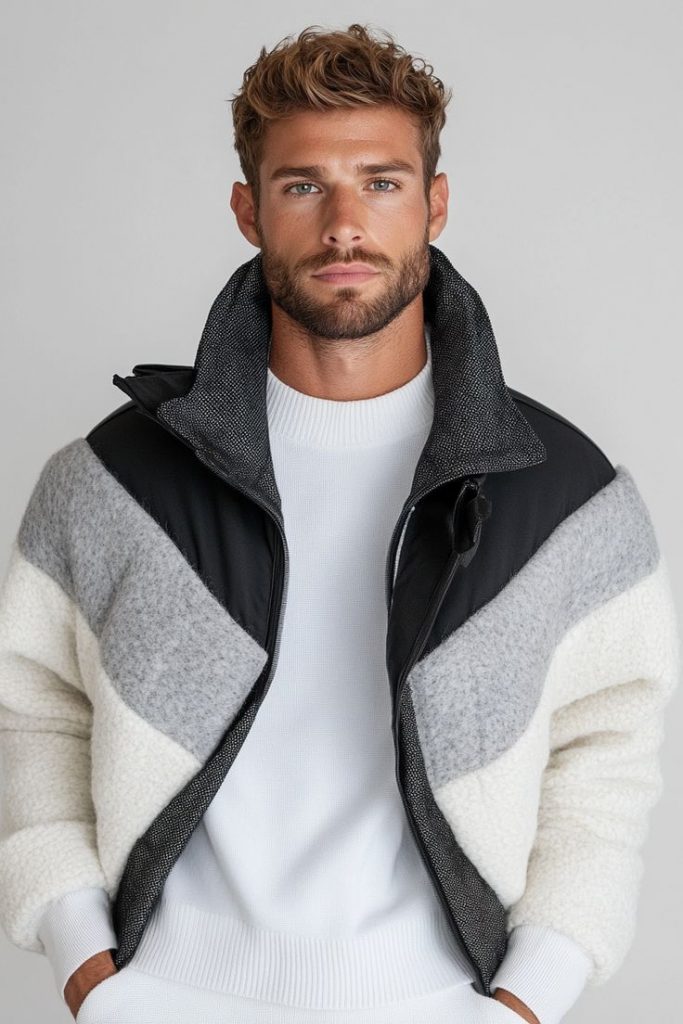
The Metaphysical Connection Between Garment and Soul
The philosophy of dressing extends far beyond the superficial layers of fabric and thread. When we speak of fashion that feels good “inside,” we are delving into the psychological phenomenon known as enclothed cognition. This concept suggests that the clothes we wear trigger mental programs that influence our confidence, our posture, and our cognitive performance. A well-tailored suit or a soft, organic cotton shirt isn’t just a covering; it is an energetic shield. It alters the wearer’s self-perception, bridging the gap between who they are and who they aspire to be. The “inside” feeling refers to that silent click of confidence when an outfit aligns perfectly with one’s internal identity. It is about emotional resonance—wearing a piece that reflects your values, whether that be professional excellence, creative rebellion, or serene minimalism.
The Tactile Revolution of Premium Textiles
Feeling good “outside” is a matter of sensory excellence. The modern gentleman no longer tolerates abrasive synthetics or stiff, restrictive weaves. The tactile experience of a garment—the way silk-blended wool glides over the skin or how breathable linen manages heat—is paramount. High-quality fashion prioritizes the wearer’s physical comfort as a non-negotiable standard. This sensory satisfaction stems from superior craftsmanship. When a garment is constructed with anatomical precision, it moves with the body rather than against it. This harmony between textile and physique reduces stress and enhances physical well-being, proving that true luxury is felt by the skin long before it is seen by the eye.
Ethical Integrity as the New Standard of Style
The “Inside Out” philosophy carries a heavy weight of responsibility regarding sustainability. A garment cannot truly feel good if its creation caused harm to the planet or the people behind the sewing machines. Conscious fashion is about the peace of mind that comes from ethical sourcing. Knowing that your jacket was crafted from recycled fibers or that your suit was produced in a fair-trade workshop adds a layer of moral satisfaction to the aesthetic appeal. This is the conscience of fashion. Transparency in the supply chain ensures that the “inside” value of the brand—its soul—is as clean and polished as its “outside” appearance.
The Architecture of the Modern Sartorial Silhouette
The structural integrity of menswear serves as a skeletal framework for personal expression. In the realm of high-end tailoring, the silhouette is designed to enhance the natural proportions of the male form. A structured shoulder doesn’t just provide shape; it commands presence. A tapered waist doesn’t just imply fitness; it suggests discipline. This architectural approach to clothing ensures that the exterior view is one of strength and elegance. However, the internal construction—the canvassing, the lining, and the hidden stitching—is where the real magic happens. A full-canvas suit adapts to the wearer’s body over time, creating a bespoke fit that becomes a second skin. This internal complexity is what allows the external appearance to remain effortless and sharp.
Decoding the Psychology of Color and Mood
Colors are not merely aesthetic choices; they are psychological triggers. Navy blue radiates trust and stability, while charcoal gray suggests intellect and composure. When a man chooses his palette, he is setting the emotional tone for his day. Fashion that feels good “inside” leverages this color theory to stabilize mood. Earth tones like olive green and sand beige ground the wearer, connecting them to a more natural, relaxed state of mind. Conversely, bold accents can ignite creativity and energy. By understanding the vibrational frequency of different hues, one can curate a wardrobe that acts as a tool for emotional regulation, ensuring that the visual impact on others is matched by a positive internal state.
The Longevity of Quality vs. The Fatigue of Fast Fashion
The modern malaise of “disposable style” leads to a cluttered home and a cluttered mind. True sartorial satisfaction is found in the “buy less, choose better” mantra. Investing in a few extraordinary pieces creates a sense of stability. There is a profound psychological comfort in owning a ten-year-old leather jacket that has aged gracefully, developing a patina that tells a story. This longevity represents the “outside” durability that supports an “inside” sense of history and permanence. High-quality garments become companions rather than just consumables, fostering a deeper, more meaningful relationship with one’s possessions.
Sensory Mindfulness in Daily Dressing
The act of dressing should be a meditative ritual rather than a rushed chore. When we take the time to button a crisp shirt, adjust a silk tie, or polish a pair of leather oxfords, we are practicing mindfulness. This ritual prepares the mind for the challenges ahead. Fashion that feels good “inside” recognizes the importance of this transition. It turns the mundane task of getting ready into an act of self-care. By surrounding ourselves with textures and shapes that we love, we cultivate an environment of beauty that starts at the skin and radiates outward into our interactions with the world.